Boards may use accumulated operating surpluses that are not invested in fixed assets or subject to donor restrictions or other board designations to create an operating reserve. The presence of an operating reserve increases an organization's ability to take mission-related risks and to absorb or respond to temporary changes in its environment or circumstances, for example, significant unbudgeted increases in operating expenses or losses in operating revenues.
What’s necessary to achieve a stable, healthy, mission-driven nonprofit? And how can we budget for adequate financial flexibility? An organizational budget includes both the annual operating revenue and expenses as well as a capital budget, or capitalization plan, ensuring resources for future fixed asset and long-lived and/or non-operating needs.
The Statement of Activities (SOA) is the correct nonprofit term for the report we may commonly have called the income statement, budget report, profit & loss, income and expense report, etc. The SOA report shows a nonprofit organization’s income, expenses, and net income for a specific period of time, all or part of a fiscal year. The report reflects the changes to an organization’s net assets resulting from financial activities that occurred during the fiscal year.

As board members and managers of nonprofit organizations, we are constantly reminded that we must be good stewards of the public trust, ensuring the resources of our organizations are well protecte
Whether your organization is large or small, effective financial management is an ongoing process featuring a cycle of good management habits. Sound procedures and internal controls help ensure accurate accounting and high-quality reporting. Evaluation of the information in the reports then facilitates good management decisions and informs both near- and long-term planning. Regular evaluation of the process leads to consistent improvement in financial management.
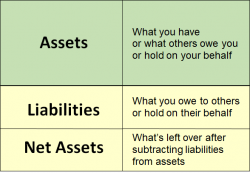
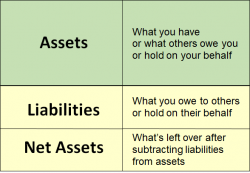
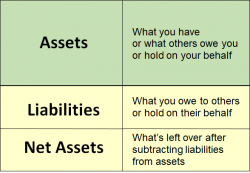
The Statement of Financial Position (SOFP) is the correct nonprofit term for the balance sheet. The concept and the equation are essentially the same as any business balance sheet or statement of personal net worth, with the key difference being that for nonprofits, what’s left when you subtract liabilities from assets is not considered “equity” belonging to an individual or a business, but rather “net assets” that remain with the nonprofit entity.